
Big pharma just handed the rest of healthcare marketing a preview of where the industry is headed. According to eMarketer data reported by FiercePharma, healthcare and pharma digital ad spending will reach $26.2 billion in 2026. Traditional ad spending, by comparison, will total just $6.9 billion. By 2027, digital is projected to make up 82 percent of all healthcare and pharma ad spending. Those figures describe budgets with nine and ten zeros behind them. But the underlying shift matters at any budget size. It applies to a four-location dermatology group as much as it does to a drugmaker running national television campaigns. The dollar amounts differ; the direction does not.
What the 2026 Ad Spend Forecast Shows
The numbers behind this shift tell two related stories. One is about where the money is going. The other is about why more and more consumers are tuning out the channels that used to work.
Digital Keeps Pulling Share From Linear TV
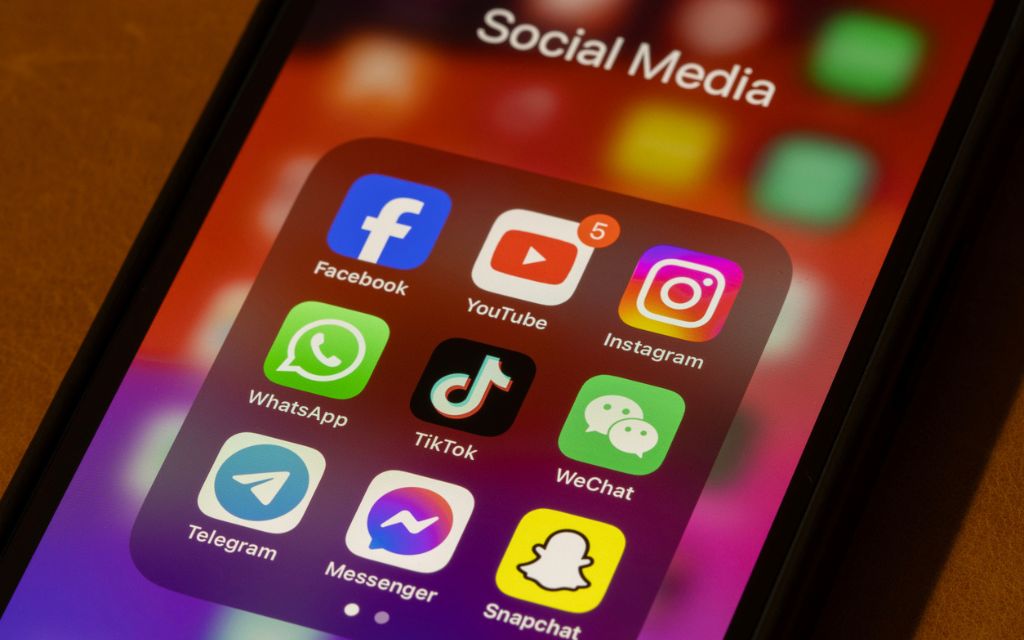
Linear TV accounted for more than 30 percent of total healthcare and pharma ad spend in 2021. eMarketer projects that share will fall to just 12 percent by 2027. Social media alone is on track to outspend linear TV in healthcare and pharma for the first time this year. That marks a real change. Only a few years ago, most pharma marketers still viewed social media as experimental.
Consumers Are Tired of the Old Playbook
The shift away from TV is not only a budget decision. It also reflects real audience fatigue. The FiercePharma report cited a SiriusXM Media survey of more than 2,100 people. Nearly 80 percent of them said there are too many pharma ads on TV and streaming video. A separate survey found something similar. It found that 57 percent of adults see somewhat or far too many pharma ads. Audiences are not just scrolling past old-style healthcare ads. Many actively resent it.
Why This Shift Matters Beyond Enterprise Pharma
None of Levo’s clients are running national TV campaigns for a prescription drug. That does not mean this forecast is irrelevant to them. It points to a broader shift in how healthcare consumers build trust. That shift touches every corner of the client base we work with.
Specialty Groups Are Already Competing in a Digital-First Market
Picture a multi-location specialty group, like an eye care or dermatology network. It competes for the same attention as every other business in its region. That includes local services, retail, and consumer brands that shifted their budgets toward digital and connected TV years ago. A specialty group might still weigh its media plan toward channels its own patients are tuning out. If so, it is losing ground to rivals who already made that shift.
Behavioral Health and Treatment Providers Face a Different Trust Equation
For behavioral health and addiction treatment providers, the stakes around trust are even higher. Someone searching for help with a mental health concern or a substance use disorder is making a high-stakes decision. Often, it happens at a hard, personal moment. Generic, frequent ads can feel tone-deaf here. That same SiriusXM data on ad fatigue applies here too. Distrust of “pleasant and happy” imagery hits even harder in this space than it does with pharma. That holds true even more when it comes paired with serious health details.
Mission-Driven Organizations Compete for Attention Too
Take veterans services groups as an example. They are not selling a drug or a clinical service. But they are still competing for a limited amount of consumer and donor attention. The same platforms driving pharma’s shift away from TV matter here too, including social media. That is exactly where these groups need to build reach and trust with the communities they serve.

Where Smaller Healthcare Marketing Budgets Should Move
A regional or specialty-level marketing budget cannot copy pharma’s playbook line for line. It does not need to. The goal is applying the same underlying logic at a scale that makes sense.
What to Prioritize First
- Shift new budget toward measurable digital channels before adding to traditional spend. Traditional impressions are growing far slower than traditional dollars
- Treat social media as a core channel rather than a supplemental one
- Audit your messaging for the same fatigue signals consumers report about pharma ads. Watch for repetitive imagery, generic claims, and a lack of specific, credible information
What Not to Copy From Pharma’s Playbook
Out-of-home ads are worth a second look too. The Out of Home Advertising Association of America shared this data with FiercePharma. Pharma OOH investment increased more than sixfold between 2016 and 2024. That growth shows advertisers view OOH as stable, trusted, and brand-safe. A well-placed billboard or transit ad can help too. For a specialty practice or treatment center building local trust, it can complement a digital strategy well. A national linear TV buy cannot do the same. A TV buy aims for reach, not precision.
The Regulatory Backdrop Looks Different Outside Pharma
Pharma’s ad shift is happening against a tough legal backdrop. Most of Levo’s clients do not operate under that same set of rules. It is worth being precise about the difference.
FDA Rules Don’t Apply, But Scrutiny Still Does
The FDA’s rules on direct-to-consumer drug advertising apply only to prescription drug marketing. One example is the “adequate provision” policy, which governs how a TV ad discloses side effects. A specialty practice or treatment center is not subject to those same rules. But other compliance rules still apply, depending on the group. Getting them wrong can hurt your name and create legal risk.
- HIPAA governs how any healthcare group can use and disclose patient data in marketing, including in ad targeting
- State licensing boards often have their own rules on testimonials, before-and-after imagery, and claims about outcomes
- LegitScript certification affects how addiction treatment providers can advertise on platforms like Google and Meta
- Platform-level policies more and more restrict health-related ad targeting regardless of federal drug ad rules
Trust Signals Are the New Differentiator
Whether or not a specific rule applies, the consumer feeling behind this forecast does. More and more, audiences reward ads that feel open, clear, and credible. They also distrust ads that do not. That shift in what people expect applies to every group in Levo’s client base. It does not matter which agency oversees a given category.
Pharma’s ad spending forecast is not really a story about pharma. It is a story about where consumer trust and attention are already going. It is also about which groups are adjusting their strategies early enough to benefit.
If you want a clear read on how your current media mix compares to where your audience actually is, Levo Health can walk through it with you.